
Ageing Well: Introducing the SWAN Research Project
- Fumi Suomi

- May 15
- 3 min read
The increase of the ageing population is the worldwide phenomenon. We are expecting the historically record increase of the aged over 60 or more in population (by 2040, over 30%). The shape of the composition of population is shifting from the shape of a bell to a skyscraper, and reshaping into a kite. This brings real challenges: rising rates of chronic illness, increasing pressure on healthcare systems, and a growing need to understand what shapes health across a lifetime.
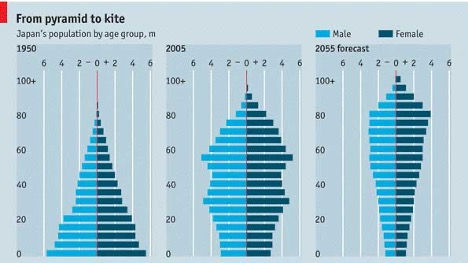
Source: National Institute of Population and Social Security Research. (https://www.ipss.go.jp/index-e.asp)
A multidisciplinary research project
SWAN brings together 15 research groups from five faculties at the University of Helsinki — medicine, biosciences, social sciences, natural sciences, and FIMM (the Institute for Molecular Medicine Finland). Each group contributes its own expertise, methods, and questions. It employs cutting-edge technologies, such as AI, to analyse large data masses.
Experts united by SWAN aim to conduct in the four themes listed below to move from fundamental discovery through to practical impact on health and wellbeing.
Metabolism and disease mechanisms
Researchers integrate the knowledge from fields of cellular and medical biology to understand how metabolic processes contribute to pathological processes in ageing and disease. This includes understanding the role of mitochondria, lipid metabolism, and other fundamental biological systems in maintaining health over time.
Population-level research
Drawing on Finnish health registers and biobanks, this theme seeks to identify the genetic and environmental factors that influence how people age across whole populations.
New treatments and interventions
Building on findings from the basic biomedical and population research, the project works towards new approaches to preventing age-related disease and improving existing treatments.
Social science and healthy behaviour
Understanding how people interpret and respond to metabolic health information, and what conditions support healthier choices, is an essential part of translating research into real-world benefit.
A personal note as a researcher and a coordinator
As a researcher in mitochondrial biology, I have long been drawn to the question of how life maintains itself. Mitochondria are often introduced as the "powerhouses of the cell," but their role extends well beyond energy production — they are involved in multiple metabolic pathways that influence whether cells, tissues, and whole organisms remain healthy.
My work as a basic researcher has focused on understanding those mechanisms at a molecular level. Joining SWAN has been a natural extension of that curiosity — and an opportunity to see how insights from basic science can connect with population research, clinical work, and social science in ways that feel genuinely happy. The possibility of contributing to research that could benefit people's lives is what I find most meaningful about this project.
This blog will follow the work of SWAN over time — updates from across the research themes, reflections from the people involved, and occasional glimpses into our science. Now it’s the time to shift the focus of medicine — from treating disease towards helping people stay healthy for longer. SWAN -Sustainable Wellbeing Across Lifespan-, aims to take action and tackle one of the most complex challenges in modern science.
Young SWAN
A series of personal stories from the early-career principal investigators in the project. We will introduce their research, how they came to science, and find out what questions are guiding them forward. We hope it will be of interest to anyone curious about SWAN research projects.
Artificial intelligence was used for the language curation.

Comments